Compare Local Contractors for Residential Demolition Services
Compare local contractors for residential demolition to define scope, verify experience, and set clear expectations, ensuring a smooth and confident project process.
Residential demolition services typically encompass the careful removal of structures such as entire buildings, garages, or interior spaces within a home. These projects may include tearing down walls, removing flooring, or dismantling specific features to prepare a property for renovation or new construction. The scope of work can vary widely depending on the property’s size, the complexity of the demolition, and the intended future use of the space. Clearly defining what needs to be demolished and establishing the extent of the work helps ensure that all parties have a shared understanding, which is crucial for avoiding misunderstandings and ensuring the project proceeds smoothly.
Understanding why defining the scope matters is key to selecting the right contractors for residential demolition. A well-detailed scope provides a clear outline of the work to be performed, which helps property owners identify service providers with relevant experience and capabilities. It also sets expectations for the process, including any necessary preparatory steps or considerations for the property’s structure and surroundings. When scope details are clearly documented, it becomes easier to compare different local contractors based on their expertise, approach, and ability to meet specific project requirements, ultimately leading to a more informed decision.
Property owners can compare local contractors by examining their experience with similar demolition projects, verifying their familiarity with the type of work needed, and reviewing their approach to safety and site management. It’s important to ask for references or examples of past projects to gauge the quality of work and professionalism. Additionally, reviewing written proposals or scopes of work can reveal how well each contractor understands the project’s needs and whether their services align with the property’s specific demolition requirements. By focusing on experience, clarity in communication, and the ability to deliver according to outlined expectations, property owners can make more confident choices when selecting service providers for residential demolition work.
Compare local contractors by outlining project priorities, verifying experience, and clearly defining scope in writing.
- Verify Experience and Credentials - Ensure contractors have relevant experience and a track record with residential demolition projects.
- Define Project Scope Clearly - Clearly outline the demolition work to set expectations and avoid misunderstandings.
- Compare Local Contractors - Review multiple service providers to evaluate their expertise and service offerings.
- Document Agreements in Writing - Keep all project details, scope, and expectations documented for clarity and accountability.
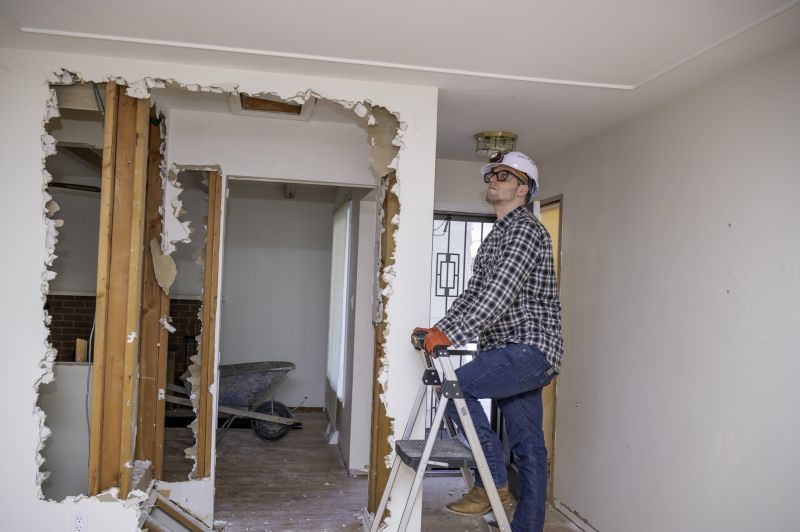
Clearly describe your residential demolition project to help compare options, verify experience, and set clear expectations with local contractors.
- Verify experience and references of service providers to ensure familiarity with residential demolition projects. - Ensure scope of work is clearly defined and documented in writing before work begins.
- Check that contractors have appropriate insurance coverage to protect against potential damages or accidents during demolition. - Confirm that local contractors follow all relevant safety protocols and regulations for residential sites.
- Compare multiple service providers to assess their qualifications, reputation, and approach to project management. - Review detailed estimates and scope descriptions to facilitate accurate comparisons.
- Assess the contractor’s ability to handle the specific structural elements and materials involved in the demolition project. - Clarify any limitations or exclusions in the scope of work to prevent misunderstandings.
- Ensure that demolition plans include proper disposal or recycling of debris in accordance with local regulations. - Request written agreements that outline cleanup procedures and responsibilities post-demolition.
Use this to compare local contractors, clarify project scope, verify experience, and set clear expectations in writing.
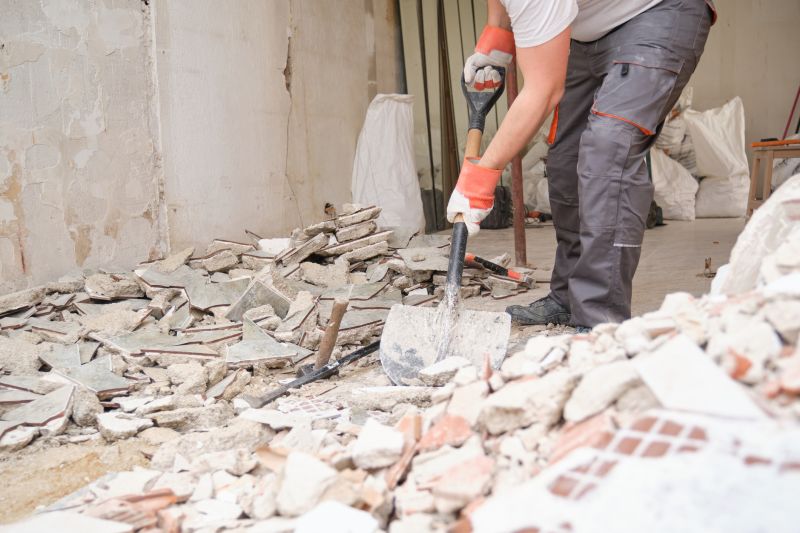
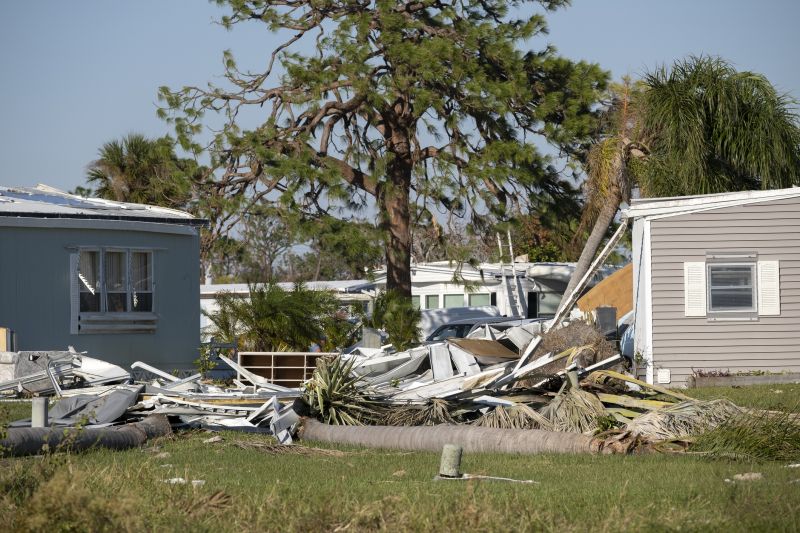
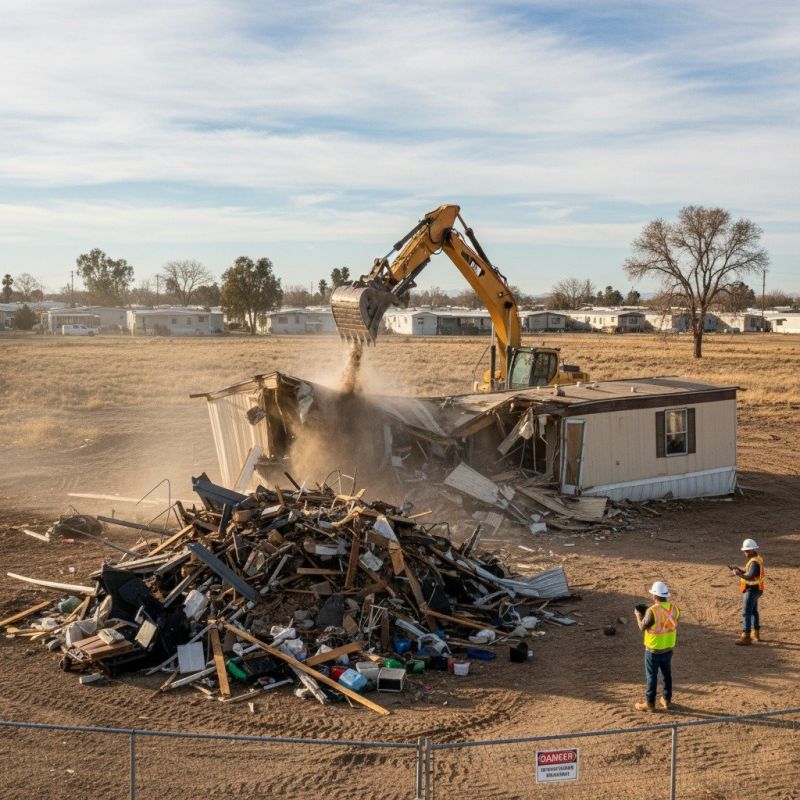
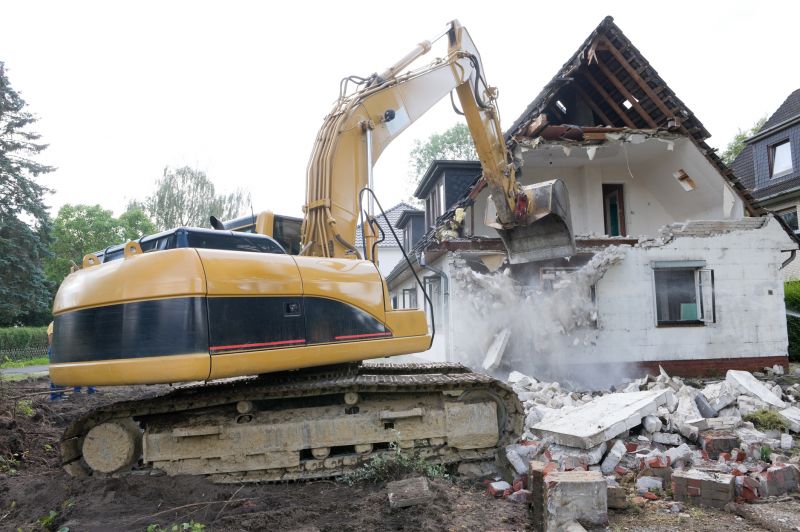
Compare local contractors’ scope definitions and experience to ensure consistent expectations across different service providers.
- Define the scope of demolition work by specifying which structures, materials, and areas are included in the project.
- Verify experience and expertise of local contractors to ensure they have handled residential demolition projects similar in scope.
- Establish clear project expectations in writing to outline tasks, responsibilities, and any necessary site preparations.
- Assess the methods and equipment used by service providers to confirm they align with safety and efficiency standards.
- Compare contractors based on their scope definitions and documented plans to select the most suitable service provider for the project.
When comparing contractors for residential demolition, it’s important to evaluate their experience with similar projects. Service providers with a proven track record in demolishing structures comparable in size, type, and scope can offer insights into their expertise and familiarity with potential challenges. Asking about past projects that resemble the scope of the current job can help gauge their capabilities and understanding of the specific demands involved in residential demolition.
A clear, written scope of work is essential for establishing shared expectations and ensuring that both parties are aligned on the project’s parameters. Contractors should be able to provide detailed descriptions of the work to be performed, including the extent of demolition, site preparation, debris removal, and any other relevant tasks. Having this documented helps prevent misunderstandings and provides a reference point throughout the project.
Verification basics involve confirming that service providers have the necessary experience and a history of successful projects similar to the one at hand. While licensing and certification are not the focus here, it’s beneficial to review references or testimonials that speak to their reliability and professionalism. Additionally, verifying that they have appropriate insurance coverage and adhere to safety standards can contribute to a smoother, more predictable process.
Evaluating options without focusing on prices involves assessing the professionalism, clarity of communication, and the thoroughness of proposals from different contractors. Comparing how each service provider defines the scope, the detail in their explanations, and their approach to project management can reveal their level of expertise and transparency. It’s also helpful to consider how well each contractor understands the project’s requirements and whether their proposed methods align with expectations for quality and safety.
Ask contractors to provide written scope details to ensure clear expectations and consistent project understanding.
- Experience and References - How can I verify the experience and past projects of local contractors specializing in residential demolition?
- Scope of Work - What details should be included when defining the scope of demolition services to ensure clarity?
- Permits and Regulations - Do local service providers handle the necessary permits and comply with applicable regulations for residential demolition?
- Insurance and Liability - What insurance coverage do local contractors typically carry to protect against potential demolition-related issues?
- Work Process and Expectations - How do local pros typically communicate and document the demolition process to set clear expectations?
What should I consider when choosing a contractor for residential demolition? It's important to compare local contractors based on their experience, reputation, and scope of services to ensure they can meet the specific needs of the demolition project.
How can I verify a contractor’s experience in residential demolition? You can review their work history, request references, and check for relevant project experience to confirm their capability in handling residential demolition jobs.
What details should be included in a demolition project scope? The scope should clearly define the areas to be demolished, any structures involved, safety measures, and any debris removal or site restoration requirements.
Why is it important to have a written agreement with a demolition contractor? A written agreement helps set clear expectations, defines project scope, and provides a record of responsibilities, reducing potential misunderstandings.
How can I compare different residential demolition service providers? Consider their experience, scope of services, reputation, and the clarity of their proposals to determine which contractor best aligns with project needs.
What questions should I ask a contractor before hiring for demolition work? Inquire about their project experience, safety practices, scope of work, and how they handle debris removal and site cleanup to ensure they meet project requirements.
Understanding the essentials of residential demolition projects helps in identifying qualified service providers. Visitors have learned how to define the scope of their demolition needs, verify the experience of local contractors, and ensure all details are clearly outlined in writing. This approach supports making informed comparisons among available options to find the right match for the job.
To move forward, using the quote form allows visitors to gather information and compare local contractors efficiently. Connecting with qualified service providers through this process can help clarify options and set clear expectations, making it easier to choose the best fit for any residential demolition project.